
Skylight Maintenance is Essential in Las Vegas
Skylight maintenance in Las Vegas is essential because extreme heat, sustained ultraviolet exposure, and low humidity accelerate material breakdown in ways not seen in moderate climates. These intense conditions can shorten the effective lifespan of seals and flashing, increase inspection frequency requirements, and change how early warning signs appear.
Homeowners in desert environments who regularly maintain their skylights catch early failure indicators that help keep repair costs lower and prevent damage from spreading. Proactive maintenance is the best way to prevent skylight leaks, interior damage, and widespread repairs.
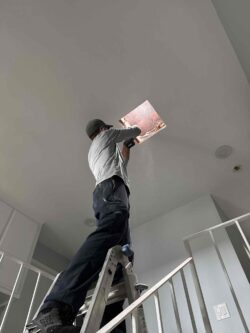
How Desert Heat Impacts Skylight Seals and Materials
Sustained high temperatures cause skylight seals and surrounding materials to lose flexibility, increasing the risk of separation and moisture intrusion. In Las Vegas, roof surfaces regularly reach temperatures well above 150 degrees during the summer months. This heat transfers directly into skylight assemblies, stressing sealants and frame connections. Over time, repeated thermal expansion and contraction weakens adhesion points, allowing small gaps to form even when the skylight appears intact. These changes typically occur gradually and are rarely visible during casual inspections, which is why climate-specific evaluations focus on material condition rather than active leaks.
Why Skylights Age Faster in Hot, Dry Climates
Skylights exposed to high heat and intense sunlight degrade more quickly because ultraviolet radiation and dry air accelerate chemical breakdown. Ultraviolet exposure weakens plastics, degrades coatings, and dries out organic compounds in sealants. The U.S. Department of Energy notes that some plastics used in skylights degrade under ultraviolet radiation unless protected with a special coating. This accelerated aging explains why skylights in desert climates often require maintenance earlier than manufacturer guidelines suggest.
Common Skylight Issues in Las Vegas Homes
Skylight problems in Las Vegas often begin with subtle performance changes rather than immediate water intrusion. Homeowners may first notice increased interior heat near the skylight opening, slight distortion in light quality, or dust accumulation around the frame. These symptoms often indicate early seal fatigue or minor frame movement rather than roof damage.
If left unaddressed, these conditions can progress into moisture intrusion during seasonal storms. Because the symptoms appear gradually, skylight issues are frequently misdiagnosed as roofing problems when the underlying cause lies within the skylight assembly itself.
Why Skylight Maintenance in Desert Climates Requires a Different Focus
Maintenance in hot, dry climates prioritizes early detection of material fatigue rather than waiting for visible damage. In wetter regions, maintenance is often centered on managing water exposure. In desert environments, heat stress is the primary driver of failure, even during long dry periods. Effective maintenance emphasizes seal elasticity, flashing stability, and frame alignment before moisture becomes a factor. This proactive approach reduces the likelihood of sudden failures that can occur after years of seemingly normal performance.
How Often Skylights Should Be Inspected in Hot Dry Regions
Professional inspections are essential for skylights exposed to desert conditions, even when no issues are visible. Heat-related degradation develops gradually and often goes unnoticed until seals have already failed. Inspections scheduled before peak summer temperatures allow professionals to identify components approaching the end of their service life and address them before damage occurs.
When Maintenance Is No Longer Sufficient
Certain conditions indicate that continued maintenance may no longer be effective. Recurring moisture intrusion, repeated seal deterioration, or visible distortion of skylight frames suggest that materials have exceeded their functional limits. In these cases, ongoing maintenance may delay necessary corrective work without resolving the underlying issue.
When these symptoms appear, reviewing our skylight services offers a helpful overview of potential solutions, from skylight repairs to full replacement.
How Seasonal Conditions in Las Vegas Affect Skylight Performance
Seasonal temperature shifts and wind patterns in Las Vegas place additional stress on skylight assemblies. Spring and fall temperature swings intensify expansion and contraction cycles. Summer introduces prolonged heat exposure, while wind events drive dust and debris into small gaps around seals. Each seasonal factor contributes differently to material fatigue, reinforcing the need for climate-specific maintenance planning.
Key Maintenance Priorities for Hot Dry Climates
Effective skylight maintenance in desert environments focuses on structural integrity rather than surface appearance.
- Evaluate seal flexibility and adhesion before summer heat intensifies
- Check flashing alignment after high-wind conditions
- Monitor interior temperature changes near skylight openings
- Address early material fatigue before moisture intrusion develops
These priorities help extend skylight lifespan and reduce the likelihood of unexpected repairs.
Skylight Maintenance FAQs
What is the most typical skylight problem?
The most common issue with skylights is leaking, especially in hot, dry climates. This often results from deteriorated seals or flashing, which can allow moisture to enter the home after years of constant sun exposure.
What are other common problems with skylights?
Other frequent skylight issues include condensation between panes, discoloration of plastic glazing, and drafts from worn seals. Desert dust buildup can also affect light quality and contribute to material wear.
Why do skylights deteriorate faster in desert climates?
Las Vegas skylights age more quickly because intense heat and ultraviolet exposure dry out sealants and weaken materials, leading to faster breakdown than in milder regions.
How often should skylights be inspected in Las Vegas?
It’s recommended to schedule a professional skylight inspection at least once per year in desert climates to detect early signs of material fatigue or weathering.
Are all skylight issues related to roof damage?
No. Many skylight problems originate within the skylight unit itself, not the surrounding roof. Heat and UV damage to seals are typical causes in Las Vegas.
When does a skylight need repair instead of just maintenance?
If you notice recurring moisture, persistent drafts, or visible structural problems, it’s time to consider repair or replacement, as maintenance alone may not resolve the issue.
Does desert dust impact skylight performance?
Yes, dust buildup on skylights can trap heat, speed up wear on seals and flashing, and diminish the amount of daylight entering your home.
How much does it cost to repair a skylight in Las Vegas?
Skylight repair in Las Vegas generally ranges from $300 to $800 for typical issues like resealing or fixing flashing, while more extensive repairs or full replacements can cost more. For the most accurate estimate, we recommend scheduling a free consultation to assess your specific needs.